Whether MTD for Income Tax applies to you comes down to one phrase: qualifying income. This article explains what it means, why it is based on gross income rather than profit, and how to check if you are in scope.
Making Tax Digital for Income Tax arrives in April 2026 and changes the way sole traders and landlords report to HMRC. This is the introduction to our 10-part series explaining what is changing, who it affects, and what to do now.
As part of its ongoing efforts to modernise the UK tax system, HM Revenue & Customs (HMRC) is rolling out Making Tax Digital (MTD) for Income Tax Self-Assessment (ITSA). This initiative aims to streamline tax reporting, reduce errors, and encourage the use of digital record-keeping.
As part of its ongoing efforts to modernise the UK tax system, HM Revenue & Customs (HMRC) is rolling out Making Tax Digital (MTD) for Income Tax Self-Assessment (ITSA). This initiative aims to streamline tax reporting, reduce errors, and encourage the use of digital record-keeping.
As part of its ongoing efforts to modernise the UK tax system, HM Revenue & Customs (HMRC) is rolling out Making Tax Digital (MTD) for Income Tax Self-Assessment (ITSA). This initiative aims to streamline tax reporting, reduce errors, and encourage the use of digital record-keeping.
Self-Assessment tax returns can feel like a chore, but missing the submission or payment deadlines can lead to penalties that could have been easily avoided. To help you stay informed and avoid unnecessary costs, here is a breakdown of the penalties HMRC imposes for late submissions and payments for Self-Assessment.
Selling a property abroad can feel like navigating a labyrinth of legal, financial, and tax considerations. If you’re a UK tax resident, you’ll need to carefully manage the tax implications that come with such transactions.
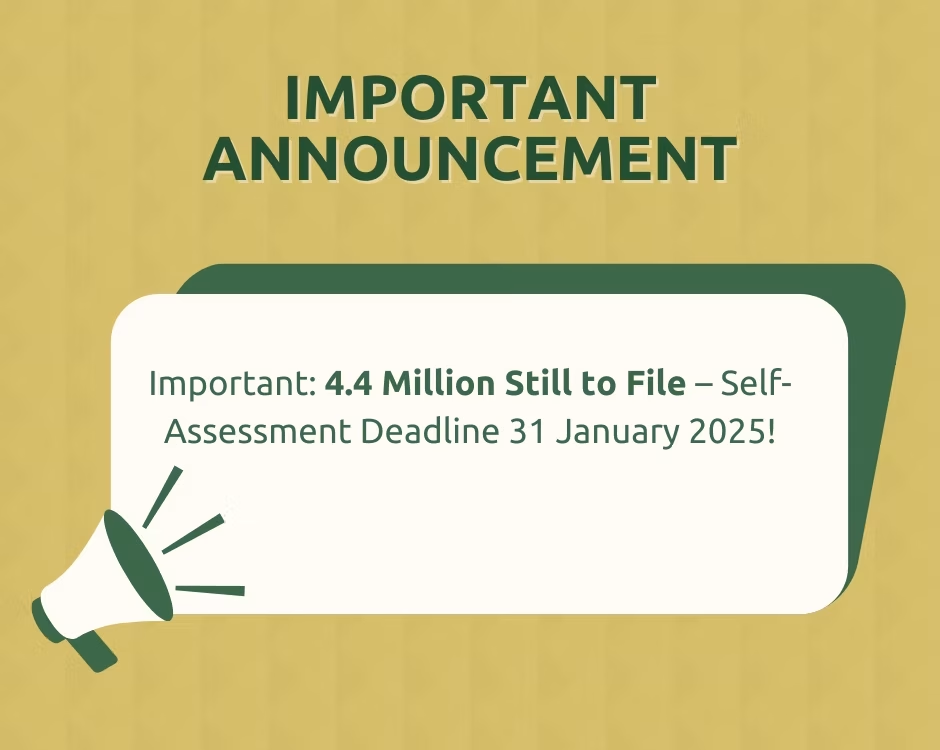
At Daykin Scott Accountants, we’re here to ensure you don’t fall into the last-minute rush or risk costly penalties. Here’s everything you need to know to get ahead this tax season.